
Contraceptive Ring Reminder +
Cauim TechMedical
3.876.00 Reviews
- Version
- 2.1.3
- Installs
- 50.00K
- Age Rating
- Everyone
Screenshots
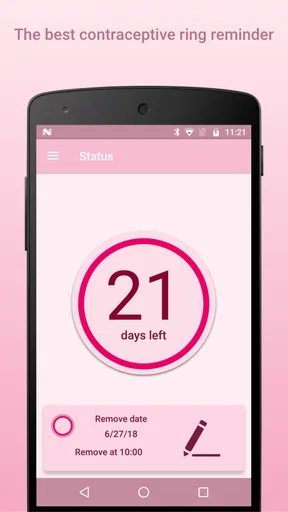
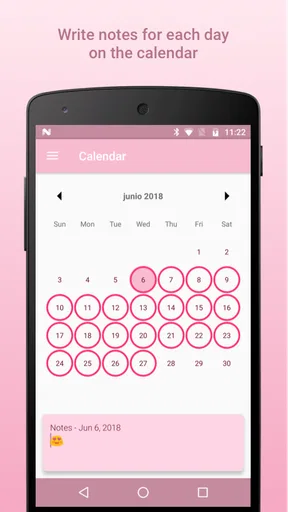
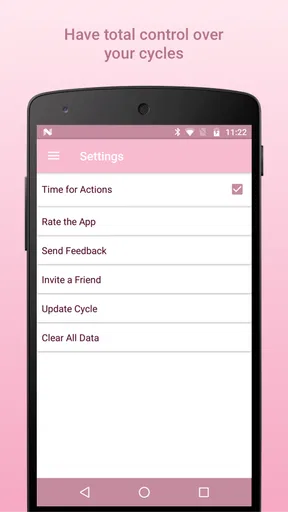
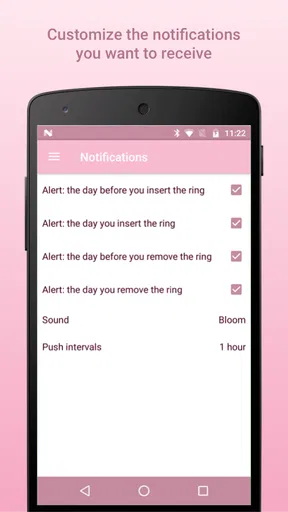
Our Review of Contraceptive Ring Reminder +
 Analysis by Appyee
I found Contraceptive Ring Reminder + most useful as a focused memory aid rather than as a complete reproductive-health companion. Its purpose is simple: help me remember when my contraceptive ring routine needs attention. That narrow focus is also its main strength. Instead of making me search through a general calendar or depend on memory during a busy week, it gives the ring schedule its own place.
My overall view is positive, with an important condition: this app works best when I treat it as a reminder layer, not as medical advice or a replacement for instructions from a healthcare professional. For someone who already uses a contraceptive ring and wants a dedicated prompt, it is a practical free app to try. For someone looking for symptom tracking, detailed cycle analysis, medication guidance, or a broad health dashboard, it will feel too limited.
How the reminder fits into real life
The everyday problem here is easy to underestimate. A ring routine usually involves remembering more than one moment, and those moments can be easy to overlook when work, travel, sleep changes, or family responsibilities get in the way. A normal calendar can technically handle a reminder, but it does not understand why the date matters. A dedicated tool reduces that mental load by keeping the contraceptive routine separate from unrelated appointments and alarms.
I can imagine using it after inserting a new ring, checking the schedule once, and then allowing the app to prompt me when the next action is due. That is more useful than writing “ring” in a crowded calendar because the reminder has a clear purpose. The app’s short description, “Ring Reminder,” says exactly what it concentrates on, while its broader summary, “Never worry about it again,” reflects the convenience it aims for without turning it into a general medical platform.
One realistic scenario is a person who normally changes or removes a ring on a particular day but often has irregular working hours. If the routine is written only on a paper calendar, it can be missed when plans change. A dedicated reminder can become the first place to check before a weekend trip or a long shift. I would still verify the schedule against the product instructions and personal medical advice, but I would not have to rely on memory alone.
The app comes from Cauim Tech and is listed in the Medical category. It is free to install, which makes experimenting with it low-risk from a cost perspective. There are optional in-app purchases ranging from $0.99 to $3.99 per item, so I would pay attention to any purchase screen and decide whether the basic reminder workflow already meets my needs before spending anything.
What it does well as a dedicated tool
The strongest part of this app is its focus. General calendar apps are flexible, but that flexibility can work against people who want a quick, private-feeling routine for one specific health task. A reminder app designed around the ring does not ask me to build the system from scratch with repeating events, labels, and notes. That can make setup less intimidating, especially for someone who is not comfortable organizing recurring health tasks in a calendar.
Another advantage is separation. When a contraceptive reminder sits among meetings, birthdays, bills, and shopping lists, it is easier to dismiss it as ordinary calendar noise. A dedicated app gives the task a clearer context. That does not make the reminder medically smarter by itself, but it can make the routine easier to notice and maintain.
I also see value for people who share devices or change phones occasionally. A purpose-built app is easier to recognize later than a collection of anonymous calendar entries. Before relying on it, I would confirm that the current schedule is still present after an update or device change. That is not a criticism unique to this app; it is a sensible habit for any reminder system tied to an important health routine.
The current version is 2.1.3, and the minimum operating system is Android 7.0. That gives it a reasonably broad reach for Android users with older devices. The app has passed 50 thousand installs and holds an average rating of 3.8 from around 1.4 thousand ratings, which suggests that many people find the idea useful while the experience is not perfect for everyone. I read that score as a reason to approach it realistically: promising for its specific job, but not something I would assume suits every workflow.
Small habits that make the reminder more dependable
The first practical tip is to set up the reminder at the moment the ring routine begins, not later that evening or at the end of the week. Delaying setup creates a gap in which the most important date still depends on memory. I would enter or confirm the schedule immediately, then check the next reminder rather than assuming the app interpreted the routine correctly.
The second is to choose a reminder time that matches a moment when I can actually act. A notification during a commute may be easy to swipe away, while one during a calmer part of the day gives me a better chance to respond. The best time is not necessarily the earliest possible time; it is the time that leaves enough room to deal with the task without rushing.
The third is to use the app as one part of a backup plan. For an important contraceptive routine, I would keep the manufacturer’s instructions available and use a second personal cue if missing the reminder would create serious uncertainty. A note in a calendar or a trusted routine can support the app, but I would avoid creating so many duplicate alerts that they become background noise.
A less obvious benefit of this approach is troubleshooting. If I ever feel unsure about what the next reminder means, I can compare the app’s schedule with the written instructions instead of trying to reconstruct the entire routine from memory. That makes the app useful not only on ordinary days, but also when travel, a forgotten action, or a changed routine makes the next step less obvious.
Where the experience needs caution
The biggest limitation is that a reminder is still only a reminder. It cannot decide whether a particular contraceptive method is appropriate for me, explain what to do in every unusual situation, or replace professional guidance. If I miss an action, remove the ring unexpectedly, experience side effects, or have questions about effectiveness, I would not treat a notification as an answer. I would consult the product information or a qualified healthcare professional.
This distinction matters because the app’s simplicity can create false confidence. A clean reminder may make the routine feel fully managed even when the situation has changed. I would be especially careful after switching products, receiving different instructions from a clinician, or dealing with a schedule that does not match the standard pattern I originally entered. The app is most dependable when the routine is stable and clearly understood.
The rating also points to a meaningful trade-off. A 3.8 average is respectable but not outstanding, so I would expect some users to encounter friction involving usability, reminder behavior, or fit with their personal routine. I cannot assume that every phone handles notifications identically. After setup, I would test the reminder in advance and check the phone’s notification settings, especially if the app appears quiet when I expect an alert.
There is also a privacy consideration in the everyday sense, even without turning the app into a privacy tool. A contraceptive reminder can reveal sensitive information to anyone who sees the screen. I would review how notifications appear on the lock screen and avoid displaying more detail than necessary in a shared environment. If discreet alerts matter greatly to me, I would compare the app’s behavior with a general calendar that offers stronger notification controls.
The optional purchases are another point to weigh. Since the app is free, I would begin with the no-cost experience and only consider an in-app item if it solves a clearly relevant problem. Paying does not change the medical responsibility attached to the reminder, and I would not buy an extra simply because I felt anxious about missing a date. A reliable backup habit is more valuable than an unnecessary purchase.
Who should use it, and who should choose something else
I think this app is a good match for an Android user who already knows how their contraceptive ring routine works and wants a single-purpose prompt. It may also suit someone who dislikes building repeating events manually in a calendar. The Everyone age rating makes it broadly accessible, although the subject itself is most relevant to people managing contraception or helping someone organize that routine.
It is particularly sensible for people whose schedules are busy but fairly predictable. A student moving between classes, a worker with changing shifts, or a traveler who wants a dedicated reminder can all benefit from keeping the ring schedule distinct from ordinary appointments. The app is also a reasonable starting point for someone who wants a free option before deciding whether a more comprehensive health app is necessary.
I would skip it if I need a complete menstrual-health record, detailed symptom charts, fertility analysis, medication management, or clinician communication. Those needs call for a broader health application or a direct conversation with a healthcare professional. I would also look elsewhere if I rely heavily on cross-device calendars, complex recurring rules, wearable alerts, or extensive customization. A general calendar may be less specialized, but it can be better for people who want all reminders in one system.
There is a further trade-off for people who already have a dependable routine. If my phone calendar, alarm system, and personal habits already prevent missed ring-related tasks, adding another app may create duplication rather than relief. In that case, the value comes from clarity and dedicated organization, not from having more notifications. I would keep it only if it makes the routine easier to understand or maintain.
My final assessment
After looking at the app as a real daily tool, I see a clear thesis: Contraceptive Ring Reminder + is useful because it stays focused, but that same focus limits what it can responsibly do. It addresses the ordinary problem of remembering a contraceptive ring schedule without pretending to be a full medical guide. That is a sensible role, provided I keep the app’s alerts connected to accurate instructions and my own healthcare decisions.
I would recommend trying it to a person who wants a dedicated Android reminder, values a free starting point, and is comfortable checking the schedule after setup. I would advise testing the notification behavior, choosing an actionable reminder time, and keeping a second source of medical information nearby. Those steps turn a basic alert into a more dependable routine.
With more than 50 thousand installs and a 3.8 average, the app has enough real-world use to be worth considering, though the rating encourages realistic expectations. It is not the right choice for every contraceptive question, and it should not be treated as a substitute for professional advice. For the specific job of helping me remember a ring-related routine, however, its narrow design is more helpful than flashy complexity.
My recommendation is therefore conditional but clear: use it when the problem is remembering a stable ring schedule, not when the problem is understanding contraception as a whole. In that lane, Cauim Tech’s app can remove a small but important source of daily worry. Outside it, a general calendar, a broader health tracker, or qualified medical support will be the better option.
Verdict
Strengths of Contraceptive Ring Reminder +
- Simple reminders help maintain a consistent ring replacement schedule.
- Useful for users who prefer discreet, non-daily contraception tracking.
- Customizable notification timing fits different personal routines.
- Clear cycle overview makes upcoming ring changes easy to check.
- Lightweight design uses minimal phone storage and system resources.
Limitations of Contraceptive Ring Reminder +
- It does not provide contraceptive protection or replace medical advice.
- Reminder reliability depends on notification permissions and phone settings.
- Limited value for users who do not use a contraceptive vaginal ring.
- Incorrect cycle dates can lead to misleading reminder notifications.
- Some features may require payment or contain advertising.
Similar Picks in This Category
View All
WebMD: Symptom Checker
WebMD, LLC4.1

Microphone Amplifier
DOSA Apps4.2

Anatomy Learning - 3D Anatomy
3D Medical OU4.5

Period Tracker and Calendar
SimpleInnovation4.9

GoodRx: Prescription Coupons
GoodRx4.8

CVS Health
CVS Pharmacy4.5
Frequently Asked Questions
What is Contraceptive Ring Reminder + and what does it do?
Contraceptive Ring Reminder + is a scheduling and notification app designed to help users remember important contraceptive ring dates. After entering the ring insertion, removal, and replacement schedule, the app can provide reminders for upcoming actions. It is intended as a practical organizational tool, not as a substitute for medical advice, prescription information, or instructions provided by a healthcare professional.
Can I customize the reminder schedule for my contraceptive ring?
The app is designed around contraceptive ring routines and generally allows users to organize reminders according to their personal schedule. Before relying on any notification, carefully check that the insertion, removal, and ring-free intervals match the instructions for your specific product. Different rings and medical recommendations may vary, so users should confirm the correct timing with the official leaflet or their doctor.
Does Contraceptive Ring Reminder + guarantee contraceptive protection?
No. A reminder application cannot guarantee protection against pregnancy. Its purpose is to help you remember dates, but protection also depends on using the ring correctly, following the product instructions, and handling missed or delayed changes appropriately. Notifications can be dismissed, delayed, or missed because of phone settings, battery restrictions, or device problems, so the app should be used together with another reliable method of tracking.
Does the app provide medical advice or explain what to do if I forget my ring?
A reminder app may help you keep track of your routine, but it should not be treated as a medical consultation. If you forget to insert, remove, or replace the ring, or if it falls out, the correct response can depend on the product and the length of the delay. Check the official instructions and contact a qualified healthcare professional when you are unsure, especially after unprotected sex.
What should I check before downloading and using the app?
Before downloading Contraceptive Ring Reminder +, review its current privacy information, permissions, subscription or advertising details, and notification behavior in the relevant app store. Make sure notifications are enabled and that your phone allows the app to run reliably in the background. It is also wise to keep a backup reminder, particularly when traveling, changing phones, or managing a schedule where an overlooked notification could have important consequences.
